In Brief
|
What is off-plan? |
Buying a property before construction is complete, at pre-completion pricing |
|---|---|
|
Typical off-plan discount vs completed stock |
15–25% below anticipated completion value [verify: Krafthaus comparables] |
|
Typical payment structure |
Staged tranches over 12–24 months |
|
Key risk |
Developer track record and construction delivery |
|
Key benefit |
Below-market entry price + capital appreciation during build period |
|
Featured example |
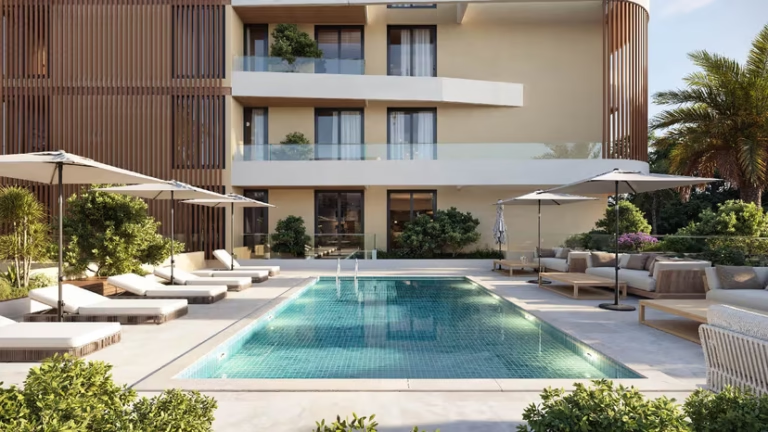
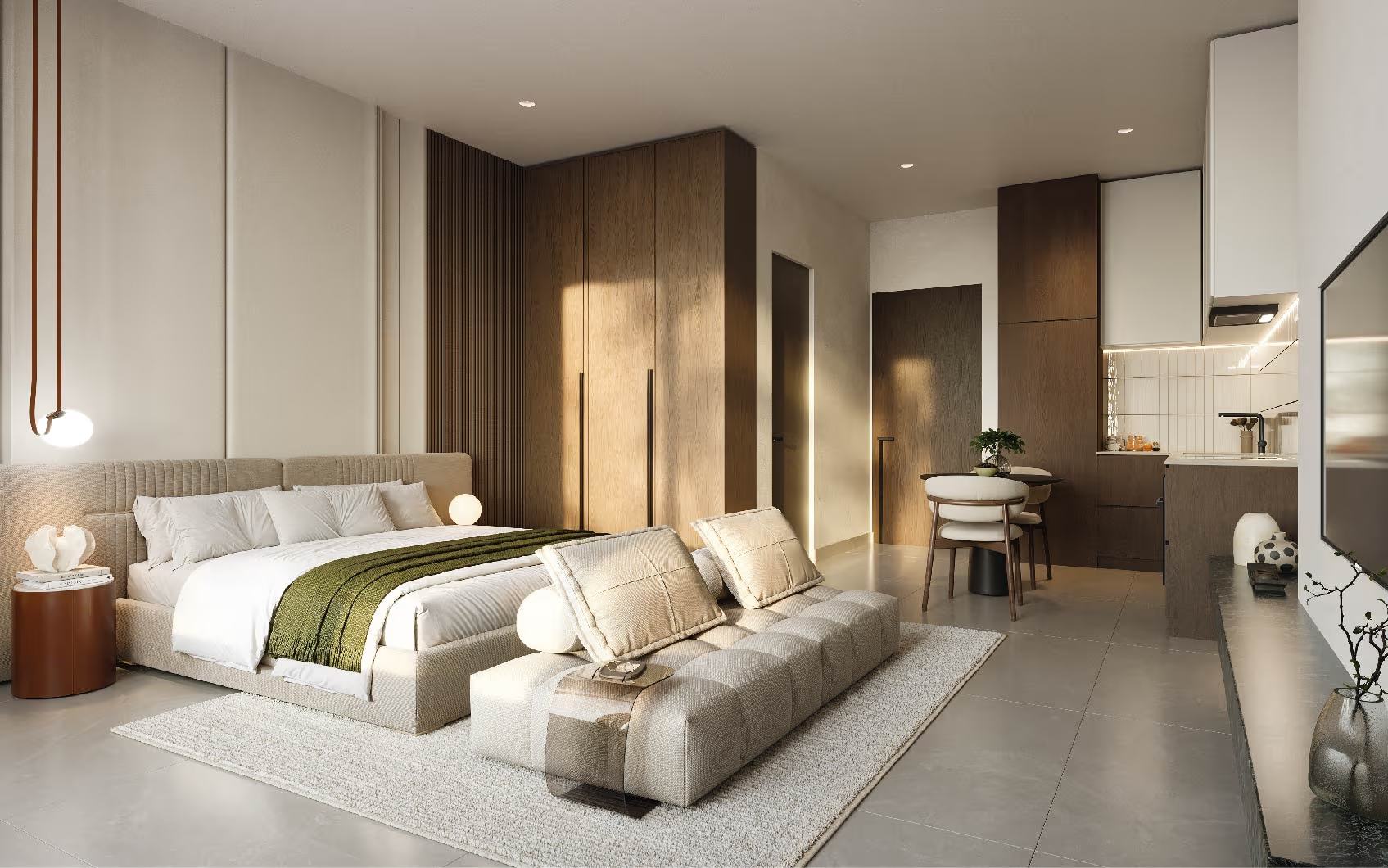
Zenwood · No. 37 Senchi Street · $130,000 · 24-month plan |
Off-plan property is one of the most discussed — and most misunderstood — investment strategies in the Accra market. Done with the right developer on the right project, it is the most efficient entry point into Accra’s premium residential sector: lower price, staged payments, and capital appreciation built in before you collect your first month’s rent. Done poorly — with an undercapitalised developer, no clear title, or an unrealistic delivery timeline — it carries real risk. This guide explains exactly how off-plan purchasing works in Ghana, what a buyer needs to verify before committing, and why timing in this market matters more than most investors realise.
What Does Off-Plan Mean?
Off-plan means purchasing a property before construction is complete — sometimes before it has even started, sometimes partway through the build. The buyer pays in agreed tranches across the construction period, rather than in a single lump sum at completion.
The commercial logic is straightforward: the developer needs capital during construction, and offers a discounted purchase price to buyers who commit early. The buyer gets below-market entry pricing and the benefit of any appreciation between reservation and completion. In a supply-constrained market like Airport Residential Area, that appreciation has historically been in the range of 15–25% from off-plan entry to completion. [verify: Krafthaus comparables]
How Off-Plan Purchasing Works in Ghana — Step by Step
Reservation. The buyer pays an initial reservation fee to secure a specific unit — floor, position, and price are fixed at this point.
Sale and Purchase Agreement. A formal contract is signed setting out the total purchase price, payment schedule, expected completion date, and the developer’s obligations regarding title and handover.
Staged payments. Payments are made according to the agreed schedule — tied either to calendar dates or construction milestones. Milestone-linked schedules offer the buyer more protection, as payments track actual construction progress.
Completion and handover. On completion, the buyer takes possession of the unit and the title transfer process begins. In Ghana, this involves the Lands Commission and typically takes several months after physical handover.
Title registration. The final step is registration of the buyer’s interest at the Lands Commission — the legal confirmation of ownership required before the property can be mortgaged or resold.
Zenwood’s 24-Month Payment Plan — The Worked Example
Zenwood’s one-bedroom units are available off-plan from $130,000 (GH₵1,534,300 at prevailing rates), with payments spread across 24 months in structured tranches. The plan was designed to remove the lump-sum barrier — buyers do not need to place the full capital immediately.
| Payment Stage | Timing | Structure |
| Reservation fee | On signing | Secures the specific unit and locks in the off-plan price |
| Tranche payments | Across 24 months | Tied to construction milestones |
| Final payment | On completion | Balance settled before handover |
At $130,000 spread over 24 months, the monthly commitment is manageable against most professional income levels — particularly for diaspora buyers managing overseas earnings in dollars or pounds. The off-plan price locks in today’s valuation. When construction completes, the market value moves up.
What to Verify Before Buying Off-Plan in Accra
Developer track record. The most important due diligence step. Has this developer completed comparable projects on time and to specification? Can they provide references from previous buyers?
Land title. Verify that the developer holds a clean, unencumbered leasehold or freehold title to the land. A qualified Ghanaian property solicitor should conduct a title search at the Lands Commission before any money changes hands.
Building permit. A valid building permit from the relevant municipal authority confirms that the development has been approved as designed. Request a copy and verify it independently.
Construction escrow. In the best-structured off-plan sales, buyer payments are held in an escrow or designated construction account and released against verified construction milestones. Ask how buyer funds are held and disbursed.
Completion timeline. Get a realistic, contract-backed completion date. The purchase agreement should specify remedies if the developer misses the agreed completion date.
Why Timing Matters: The Off-Plan Window Is Finite
In supply-constrained markets like Airport Residential Area, off-plan pricing is a time-limited opportunity. Once construction is complete and units are sold, that entry price is gone. The next comparable development in the same postcode — if one comes to market at all — will be priced off completed comparables.
For Zenwood specifically: sixteen one-bedroom units remain at off-plan pricing. When those units are reserved, the price closes with them. Airport Residential has not historically returned to off-plan pricing levels after a project sells out.
The 24-month payment plan means entry is achievable without placing a lump sum. The off-plan window means the pricing available today is not available tomorrow.
www.zenwoodgh.com · +233 55 935 2042 · sales@krafthausgh.com