In Brief
|
Best-performing location (yield) |
Airport Residential Area |
|---|---|
|
Typical 1-bed long-let yield, Airport Residential |
9–13% gross per annum |
|
Typical 1-bed short-let yield, Airport Residential |
20–26% gross per annum |
|
Estimated annual capital appreciation |
8–10% |
|
Primary yield driver |
USD-denominated rents from expatriate and diplomatic tenants |
|
Featured development |
Zenwood · No. 37 Senchi Street · Airport Residential Area |
Rental yields1 in Accra vary significantly by location, unit type, and building specification. In the right location with the right tenant profile, a well-specified apartment can generate gross yields of 9–13% per annum on long-let and 20–26% on short-let at sustained occupancy. In the wrong postcode, or in an older building without reliable infrastructure, those numbers drop considerably. This guide covers what yields actually look like across Accra’s prime residential locations, what drives them, and what investors need to understand before committing capital.
Rental Yield by Neighbourhood — 1-Bedroom Apartments
The single biggest determinant of rental yield in Accra is location. Premium neighbourhoods with high concentrations of expatriate tenants — who pay in US dollars and are professionally employer-funded — consistently outperform everywhere else.
|
Neighbourhood |
Long-Let Yield (1-Bed) |
Short-Let Yield (1-Bed) |
Primary Tenant Type |
|---|---|---|---|
|
Airport Residential Area |
9–13% |
20–26% |
Expats, diplomats, aviation professionals |
|
Cantonments |
8–11% |
16–22% |
Expats, embassy staff, senior executives |
|
East Legon |
7–10% |
14–19% |
Upper-income Ghanaians, expats, corporate |
|
Labone |
7–9% |
13–18% |
Mixed — professionals, young executives |
|
Roman Ridge |
6–9% |
12–17% |
Mixed — mid-to-upper income |
Airport Residential Area leads across both let strategies. Its proximity to Kotoka International Airport, the concentration of embassies, and the cluster of international schools and private hospitals attract a tenant class of expatriate professionals, diplomatic staff and NGO directors. These tenants are employer-funded, USD-paying, and highly consistent. That tenant profile sustains above-market rents regardless of broader economic conditions.
Long-Let vs Short-Let: What the Numbers Mean in Practice
|
|
Long-Let |
Short-Let |
|---|---|---|
|
Typical tenancy |
12–24 months |
1 night – 3 months |
|
Rent (1-bed, Airport Residential) |
$1,200–$1,500/month |
$100–$150/night |
|
Gross yield estimate |
10–13% |
20–26% |
|
Tenant profile |
Embassy staff, executives, NGO directors |
Business travelers, families in transit |
|
Management intensity |
Low — stable, low turnover |
High — cleaning, linen, bookings |
|
Vacancy risk |
Low — quality tenants stay |
Higher — volume-dependent |
|
Income predictability |
High |
Variable |
Long-let is the lower-effort, lower-risk strategy. For diaspora investors or those without on-the-ground property management, a long-let to a vetted corporate or diplomatic tenant is the most practical path to consistent yield. Short-let commands higher headline returns but requires an active management infrastructure or a reliable management partner.
What Drives Yield in Accra — The Four Factors
Location and tenant profile – as the neighbourhood table shows, proximity to the expat and diplomatic infrastructure like airports, embassies, international schools and private hospitals are the greatest yield driver. The tenant profile this infrastructure attracts pays more, stays longer hece vacancy periods are shorter.
USD denomination – Accra’s premium rental market operates in US dollars. For an investor whose cost base is in cedis, this creates a structural income advantage as the cedi faces depreciation pressure. For diaspora investors, it removes the currency mismatch entirely.
Building specification and amenity offering – In a well-specified building with reliable infrastructure, solar power, backup generator, consistent water supply and access control, a landlord can charge and sustain a premium that older stock cannot command. A building with a pool, gym, and concierge justifies top-tier rents.
Off-plan entry price – Yield is a function of both rental income and capital cost. Buying off-plan at a pre-appreciation price locks in a lower denominator. This means the same rental income produces a higher yield percentage. Airport Residential properties have historically appreciated 15–25% from off-plan entry to completion.
Zenwood: The Yield Case in Numbers
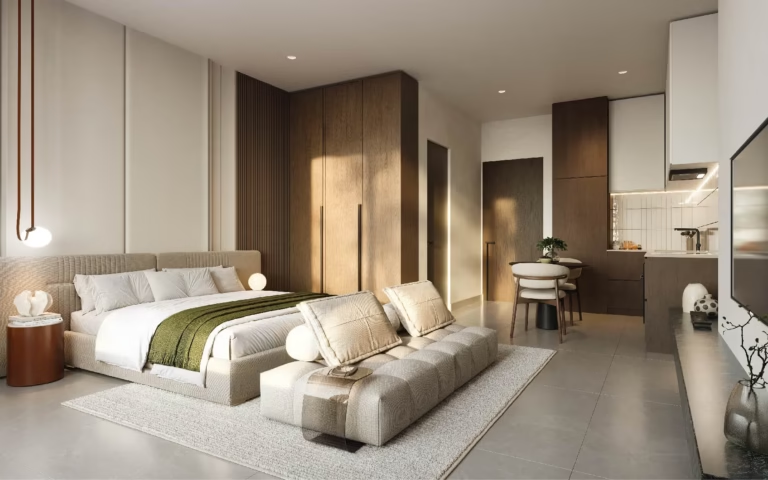
At No. 37 Senchi Street, Zenwood’s one-bedroom units are available off-plan from $130,000 with a 24-month payment plan. On long-let at $1,200–$1,500 per month, the gross yield at the $130,000 entry price is 11–13.8% per annum. On short-let at $130/night and 65% occupancy, the gross yield is approximately 23–24% per annum.
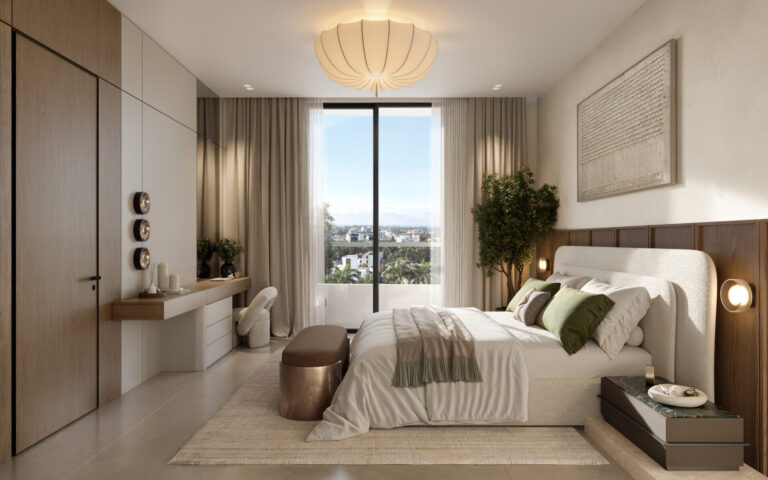
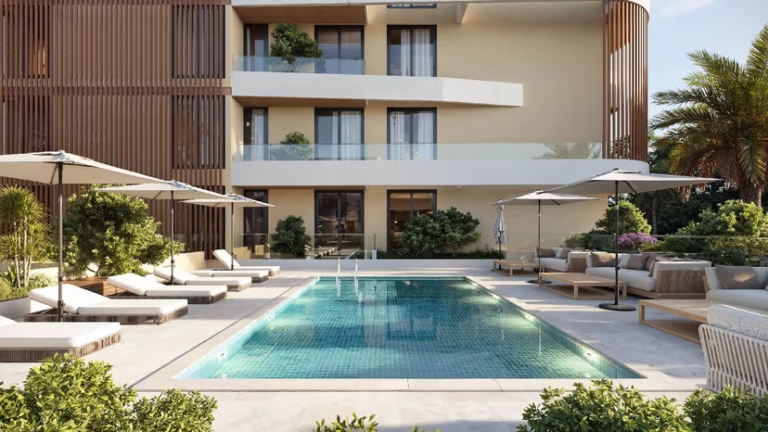
The amenities offering – well maintained swimming pool, Zen yoga studio, gym, rooftop bar and garden, café lounge, solar power, backup generator, consistent water supply, and 24-hour concierge directly sustains rental yields. These are the features that attract the tenant who pays $1,500 rather than $1,100, and renews rather than relocates.
www.zenwoodgh.com · +233 55 935 2042 · sales@krafthausgh.com
Frequently Asked Questions
Analysis by Krafthaus Limited · Accra, Ghana
- Rental yield and capital appreciation estimates are indicative, based on Airport Residential Area market comparables compiled by Krafthaus Limited. This article does not constitute financial or legal advice. Conduct independent due diligence before making any investment decision. ↩︎